
As an Amazon Associate I earn from qualifying purchases. Details
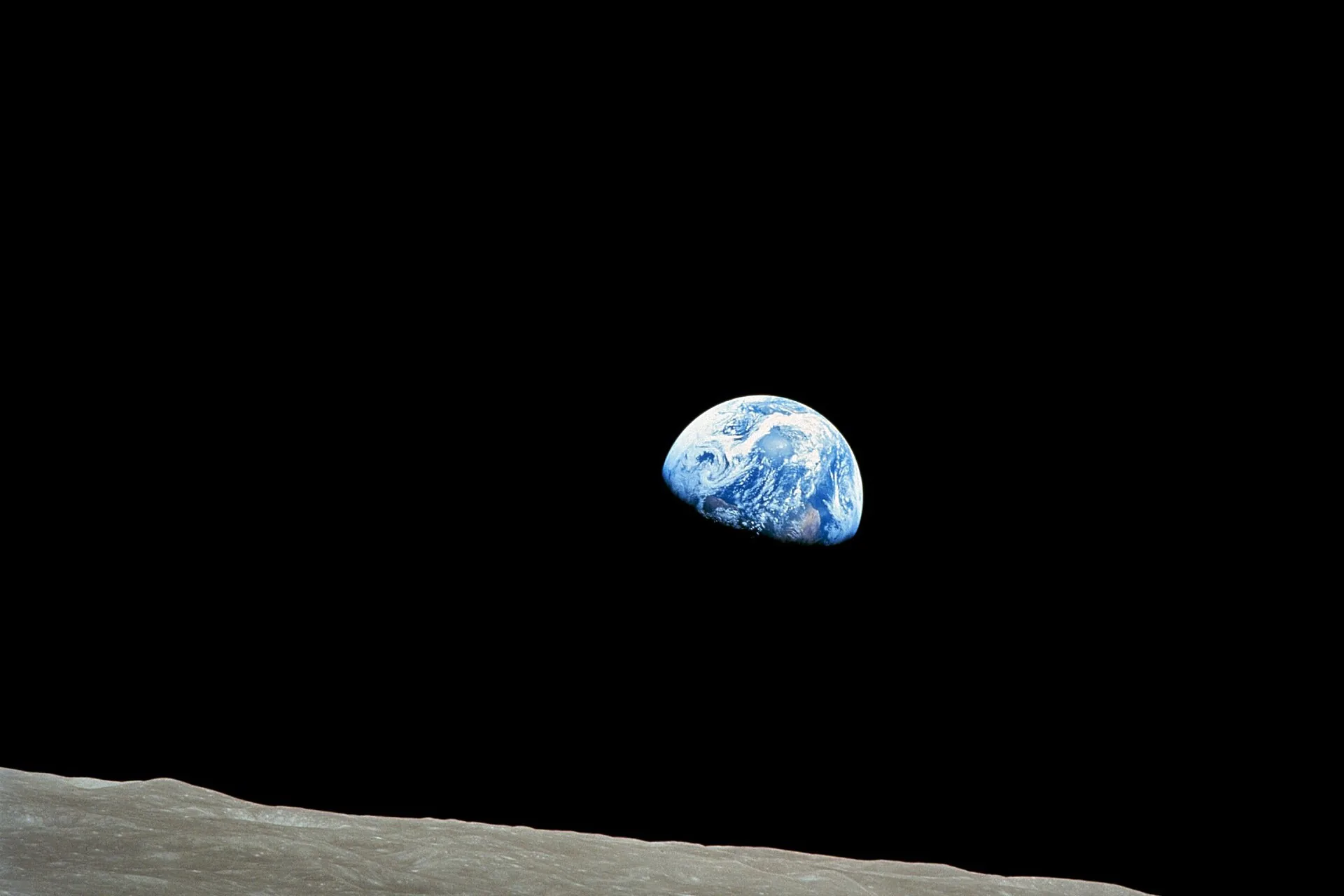
Some kids collect rocks. Some collect bugs. And some collect facts, the bigger and weirder the better. If you have one of those fact collectors at your house (or you are one), I have a new favorite book for your coffee table.
It is Lost in Space: 5,000 Facts for Navigating the Universe by astrophysicist Neil deGrasse Tyson and Lindsey Nyx Walker, a StarTalk book from National Geographic that came out on September 15, 2026. It is a big, colorful hardcover, and it is made for flipping open to any page and reading out loud: "Did you know...?"

Here is what is inside, a few of our favorite StarTalk videos to watch together, some neat things about the man behind it all, and, of course, one gentle Pluto joke.
Key takeaway. Lost in Space is a 400-page, picture-packed fact book about the universe, and StarTalk is Tyson's free YouTube channel. Together they make an easy, fun way for families to learn about space a few minutes at a time.
What is inside Lost in Space
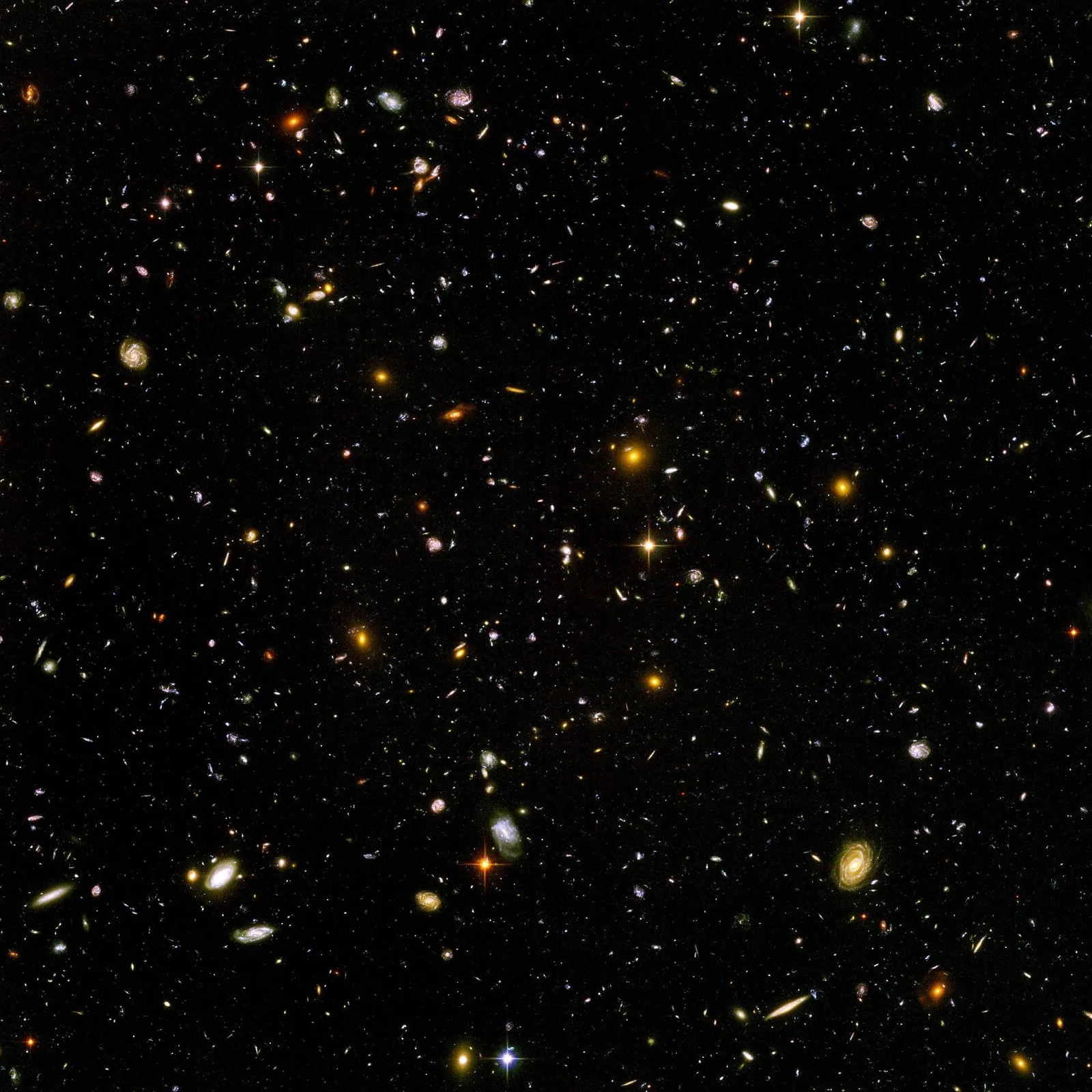
According to the publisher's page at Penguin Random House, the book packs 5,000 facts and more than 300 charts, maps, and photographs into 400 pages. It travels from our home planet out through the solar system to the farthest galaxies, covering telescopes, space missions, planets, moons, exoplanets, stars, and more, with plenty of humor along the way.
A few of the facts the publisher shares from its pages:
- 100 trillion neutrinos pass through your body every second.
- A 150-pound grown-up would weigh about 380 pounds on Jupiter.
- Astronomers estimate there are two trillion galaxies in the observable universe.
That Jupiter one is an instant hit with kids. Try it at the kitchen table: have everyone guess how heavy the family dog would be on Jupiter, then do the math together (multiply by about 2.5).
| Quick look | Details |
|---|---|
| Authors | Neil deGrasse Tyson and Lindsey Nyx Walker |
| Publisher | National Geographic (a StarTalk book) |
| Published | September 15, 2026 |
| Length | 400 pages, hardcover |
| Best for | Curious kids, teens, and grown-ups who love "did you know" moments |
How we like to use a fact book like this
A book with 5,000 facts is not something you read front to back. It is something you visit. Here are a few easy ways to make it part of your week:
- Fact of the night. At bedtime, let your child open to a random page and pick one fact to read out loud.
- Fact detective. Pick a fact, then look up one more thing about it together. Where is that planet? How far away is that star?
- Draw it. Ask little ones to draw what a fact looks like. A planet full of 380-pound grown-ups makes a very funny picture.
- Go outside. On a clear night, turn off the porch light, find the Moon or a bright planet, and look up what the book says about it. A simple star wheel like The Night Sky 30°-40° planisphere (the right latitude band for us here in the Shenandoah Valley and much of the middle and southern US) shows which constellations are up tonight; just spin it to the date and time.
StarTalk: free space science on YouTube
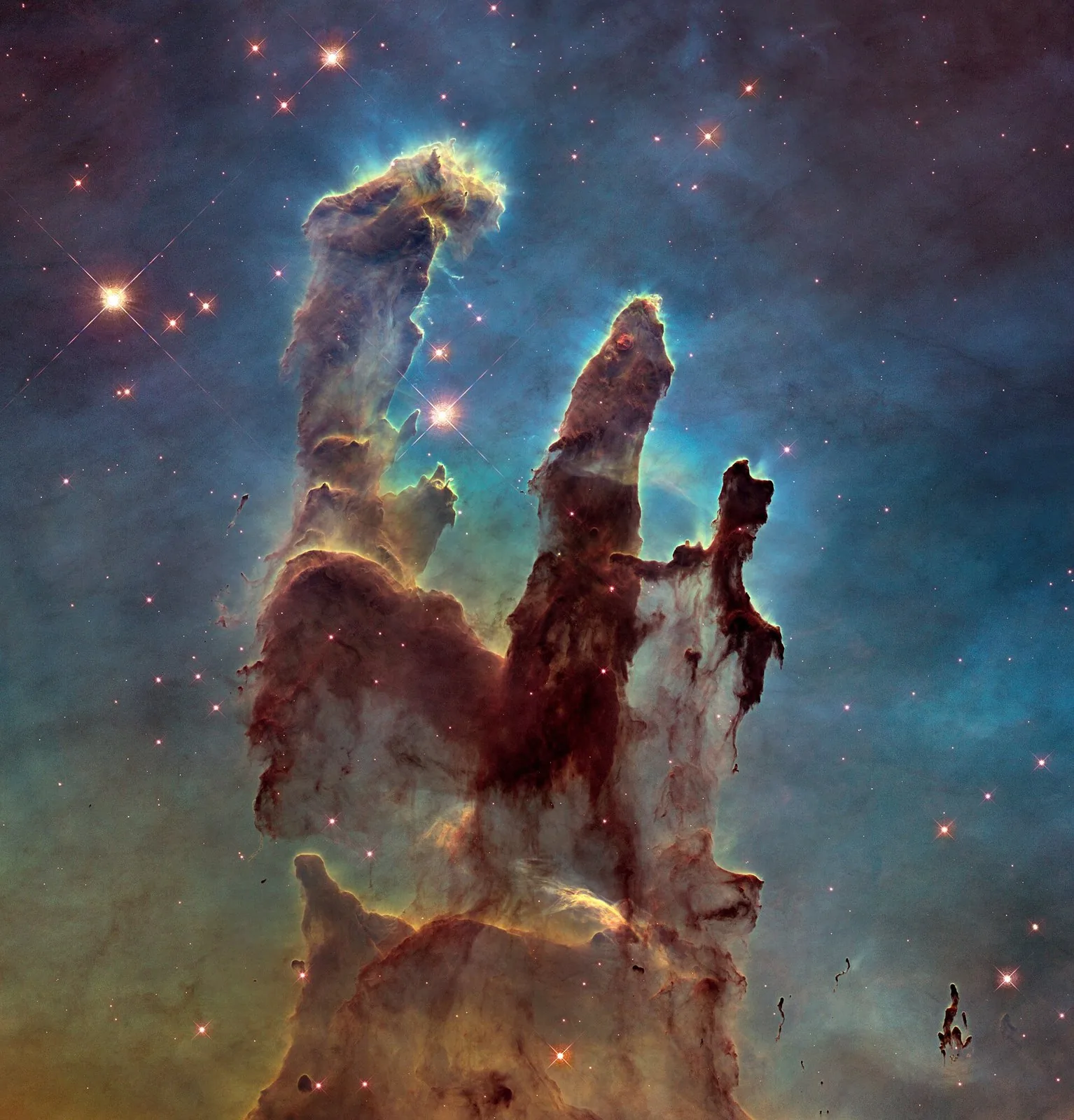
StarTalk is Tyson's show where science meets pop culture. He and his comedian co-hosts talk with scientists, celebrities, and experts about space, physics, and life in the universe. Tyson has hosted it since the summer of 2009, according to his curriculum vitae, and the YouTube channel now has close to 6 million subscribers and more than a billion views.
Here are four of the channel's most-viewed videos (view counts as of October 13, 2026). They are long-form conversations best suited to older kids, teens, and grown-ups, so you may want to preview them first. Even little ones enjoy the first few minutes and a pause button for questions.
Neil deGrasse Tyson Explains The Three-Body Problem
About 11.5 million views. Why can't we perfectly predict how three objects in space will move around each other? A great one for older kids who loved the idea of planets "dancing" with gravity.
Is Our Universe Inside a Black Hole?
About 8.2 million views. A mind-stretching question that is perfect for a "what if" dinner conversation.
Have We Finally Found Dark Matter?
About 4 million views. Most of the matter in the universe is invisible to us. This video asks whether scientists are finally getting a glimpse of it.
Life May Only Be Able to Exist in this Part of the Galaxy, with David Kipping
About 1.8 million views. Astronomer David Kipping joins to talk about where in our galaxy life might be possible. A great follow-up to "Are we alone?" questions.
Neat facts about Neil deGrasse Tyson
Part of what makes Tyson fun to learn from is that he was once a space-crazy kid himself. Here are a few things we found interesting, with sources so you can read more.
- It started with a planetarium visit at age nine. His interest in astronomy was sparked by a trip to the Hayden Planetarium in New York when he was nine, according to Encyclopaedia Britannica. Years later, he became its director.
- Carl Sagan invited him to visit as a teenager. When Tyson was in high school, Cornell forwarded his application to the famous astronomer Carl Sagan, who invited him to Ithaca, New York. At the end of a snowy day, Sagan drove him to the bus station and gave him his home phone number in case the bus could not get through, as Tyson recalls in his own remembrance of Sagan. It is a lovely reminder of how much a little encouragement can mean to a young person.
- He has run the Hayden Planetarium since 1996. He is the Frederick P. Rose Director of the Hayden Planetarium at the American Museum of Natural History, per his publisher's author bio. His CV lists him as director since May 1996 and as project scientist on the planetarium's $210 million rebuild, finished in 2000.
- He hosted Cosmos. In 2014 he hosted Cosmos: A Spacetime Odyssey, the 21st-century continuation of Carl Sagan's 1980 series, which aired on FOX and National Geographic Channels, according to his official profile.
- He has written more than a dozen books. His CV lists them, including Astrophysics for People in a Hurry (2017), Death by Black Hole (2007), and Space Chronicles (2012). For kids about 10 and up, Astrophysics for Young People in a Hurry is the full-color young readers' version, and grown-ups who want something more reflective might like Starry Messenger.
- He named "Manhattanhenge." He first noted and named the evenings when the setting sun lines up with Manhattan's street grid, according to the American Museum of Natural History. That is a fun reminder that astronomy happens right in the city, too.
- NASA honored him. He received NASA's Distinguished Public Service Medal in 2004, and he holds 27 honorary doctorates, per his CV. There is even an asteroid named 13123 Tyson.
His teaching style
What we love most is how he teaches. Tyson mixes real science with jokes, movies, sports, and everyday life, so big ideas feel like a conversation instead of a lecture. StarTalk is built on exactly that: a scientist and a comedian sitting together, asking the questions regular people actually wonder about.
That is a style any parent can borrow. Start with a question your kid already cares about ("Could Superman really fly?" "What would happen if I fell into a black hole?"), then go find out together. Curiosity first, facts second.
Tyson and the Pluto story
Here is a fun piece of space history. When the museum's Rose Center for Earth and Space opened in 2000, its solar system exhibit grouped Pluto with the "icy worlds" beyond Neptune instead of with the planets, as The New York Times reported. In 2006, the International Astronomical Union officially reclassified Pluto as a dwarf planet, according to NASA.
Plenty of Pluto fans wrote to Tyson about it, including lots of schoolchildren. He gathered those letters, cartoons, and news stories into a whole book, The Pluto Files: The Rise and Fall of America's Favorite Planet (2009), which his website describes as including letters from "disgruntled school children." Kids who love Pluto will get a kick out of reading what other kids wrote.
And now, as promised, the joke:
Why didn't Pluto get upset about being called a dwarf planet?
Because it still has a big heart. 💛
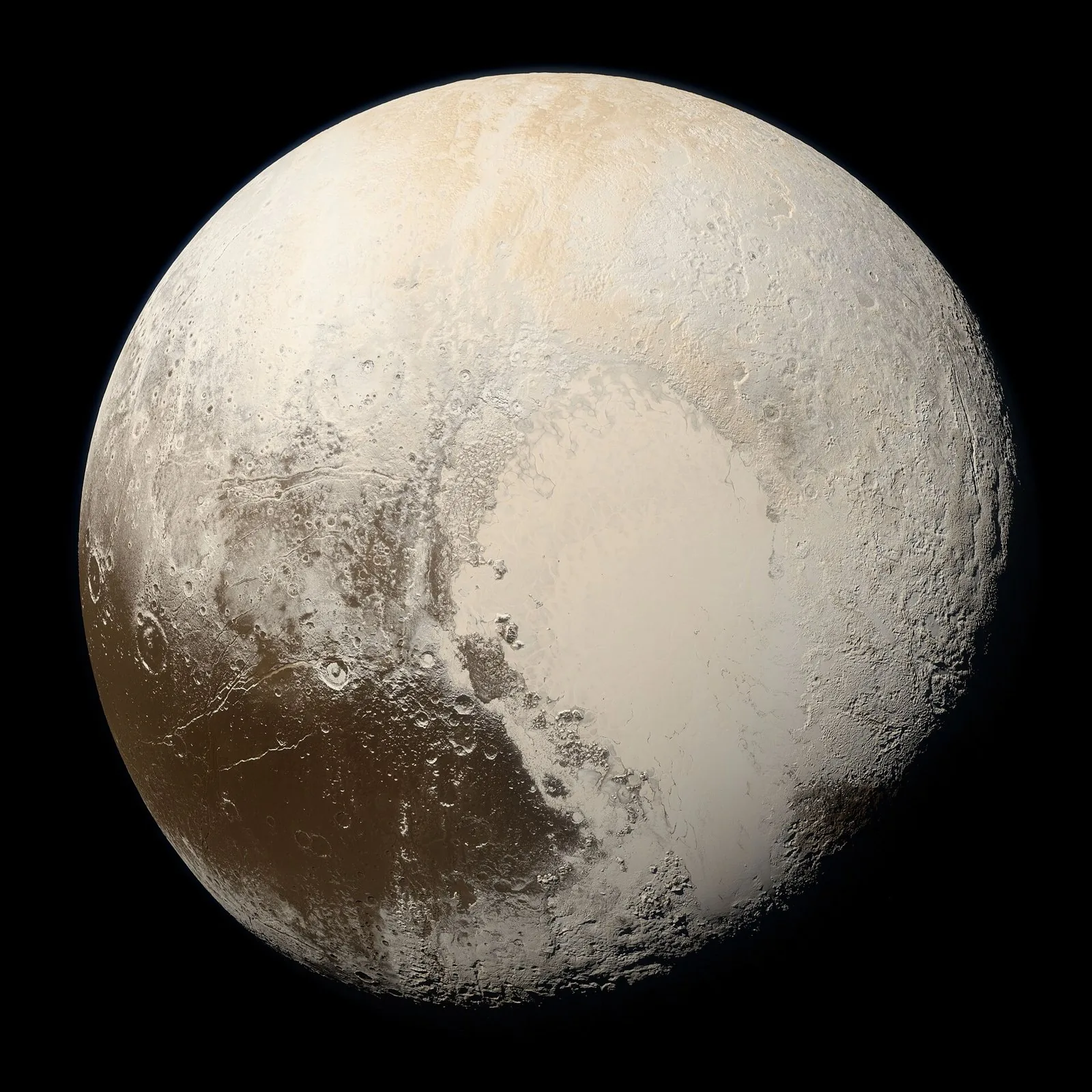
(It really does, and the name is official. The International Astronomical Union approved it in 2017, according to NASA.)
It is also a wonderful lesson for kids: scientists change their minds when they learn new things. That is not a failure. That is how science works.
A five-minute family space night
Want to put it all together? Here is a simple plan for one evening:
- Fact (1 minute). Open Lost in Space to a random page and read one fact.
- Video (a few minutes). Watch the first few minutes of one of the StarTalk videos above.
- Question (1 minute). Everyone shares one question the fact or video made them think of.
- Look up (2 minutes). Step outside, find the Moon or the brightest "star" you can see, and wave to Pluto, wherever it is. If you have binoculars, the Moon's craters pop right out. A light, kid-friendly pair like Celestron UpClose G2 10x50 binoculars is an easy first step before anyone needs a telescope.
Write the questions on a sticky note and stick it inside the book cover. Next time, start by trying to answer one.
Where to find it
You can find Lost in Space: 5,000 Facts for Navigating the Universe on Amazon and watch StarTalk free on the StarTalk YouTube channel. If your family gives it a try, I would love to hear your favorite fact. Keep looking up.
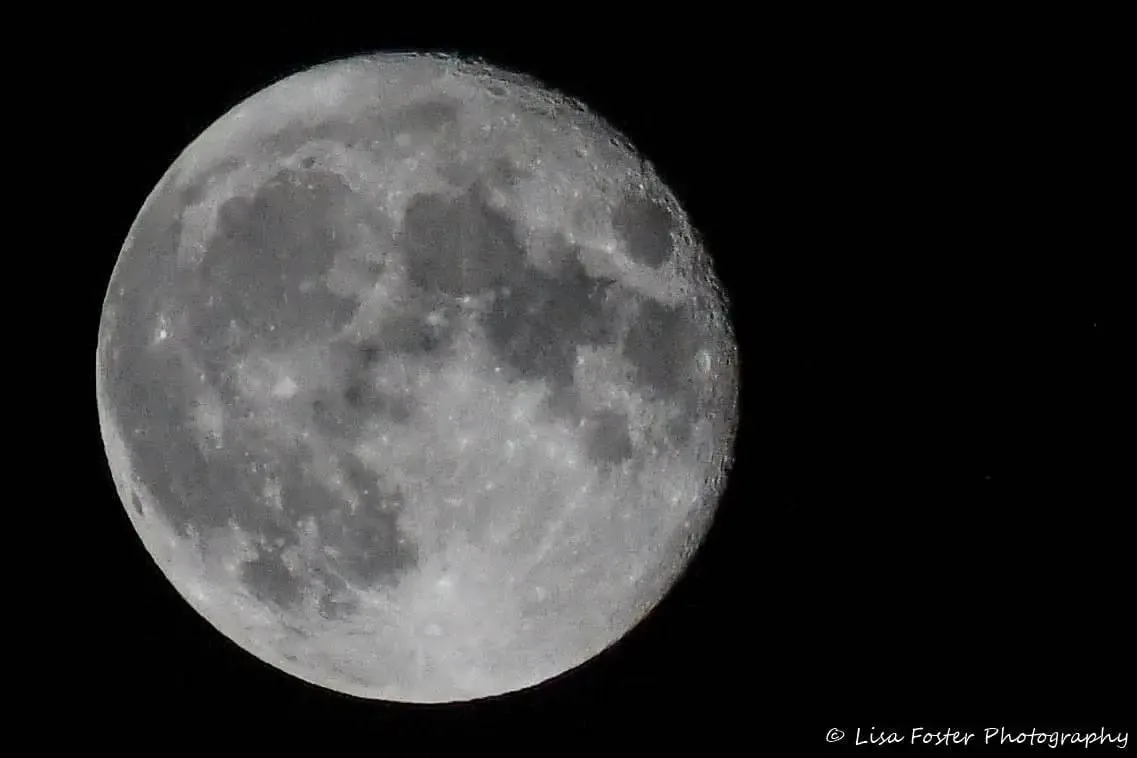
If your kids fall in love with the Moon after all this, here is one I photographed from right here in Virginia. Every crater still makes me smile. Full Moon Detail is available as a print in my shop, and it looks wonderful on a dark bedroom wall.