Some links here are affiliate links marked (paid link); I may earn a small commission at no cost to you. As an Amazon Associate I earn from qualifying purchases. Details
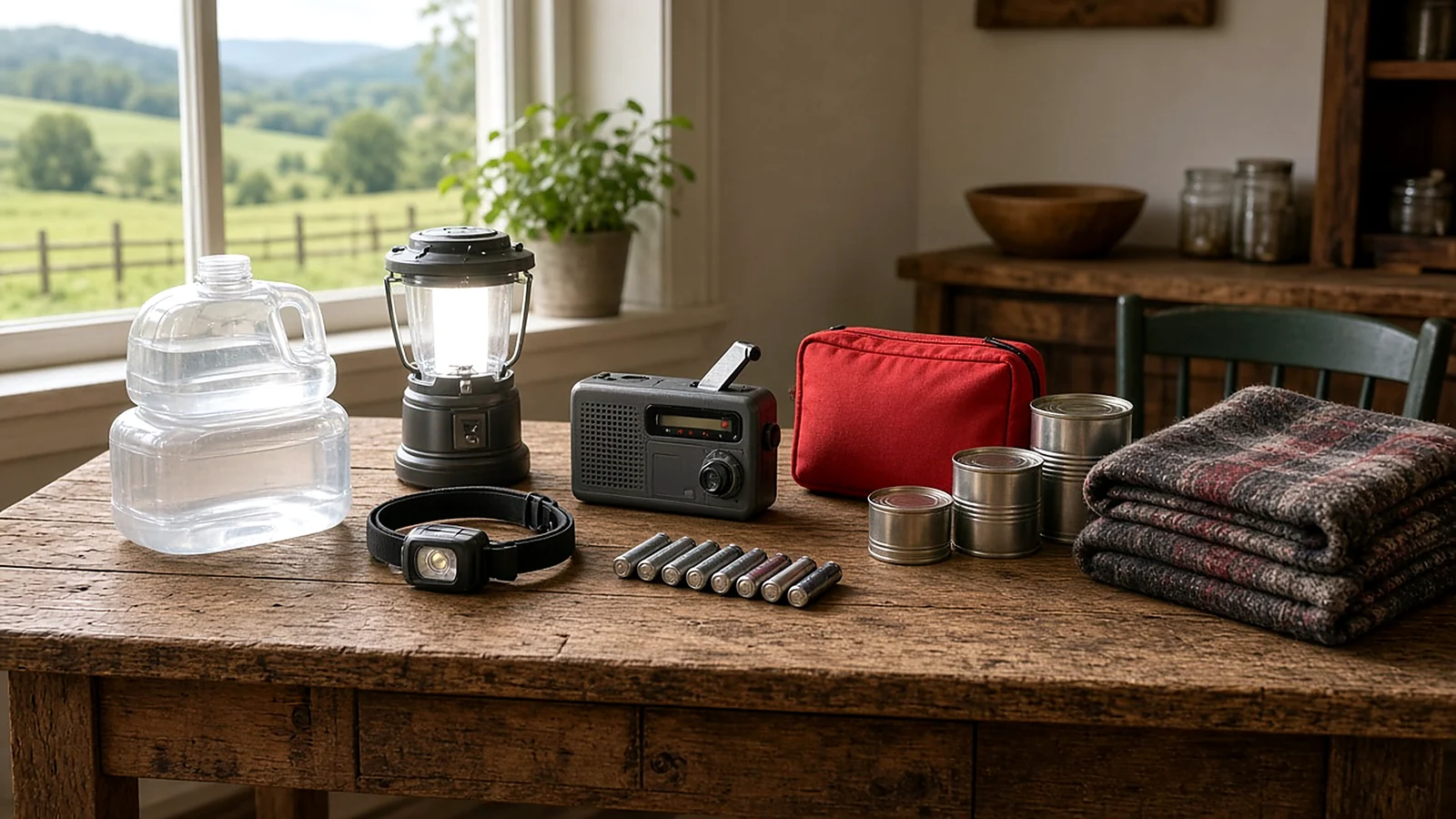
Virginia gets ice storms, hurricane remnants and the odd derecho. Most outages are short, but it helps to have the basics in place in case one isn't. This list is built from what Ready.gov, the American Red Cross, the CDC, EPA and Virginia Emergency Management (VDEM) recommend, in priority order. Start with Tier 1 and add the rest a few items at a time, as VDEM suggests.
Check what you already own
Before you buy anything, walk through your house with the printable checklist. Most homes already have flashlights, blankets, a first aid kit, canned food, duct tape and a cooler. Gather them in one bin, note what's missing, and buy only that.
Tier 1: Essential
These rankings are a starting point, not a rule for every household. If you rely on medical equipment, have pets or infants, or regularly drive in winter conditions, those supplies belong at the top of your list.
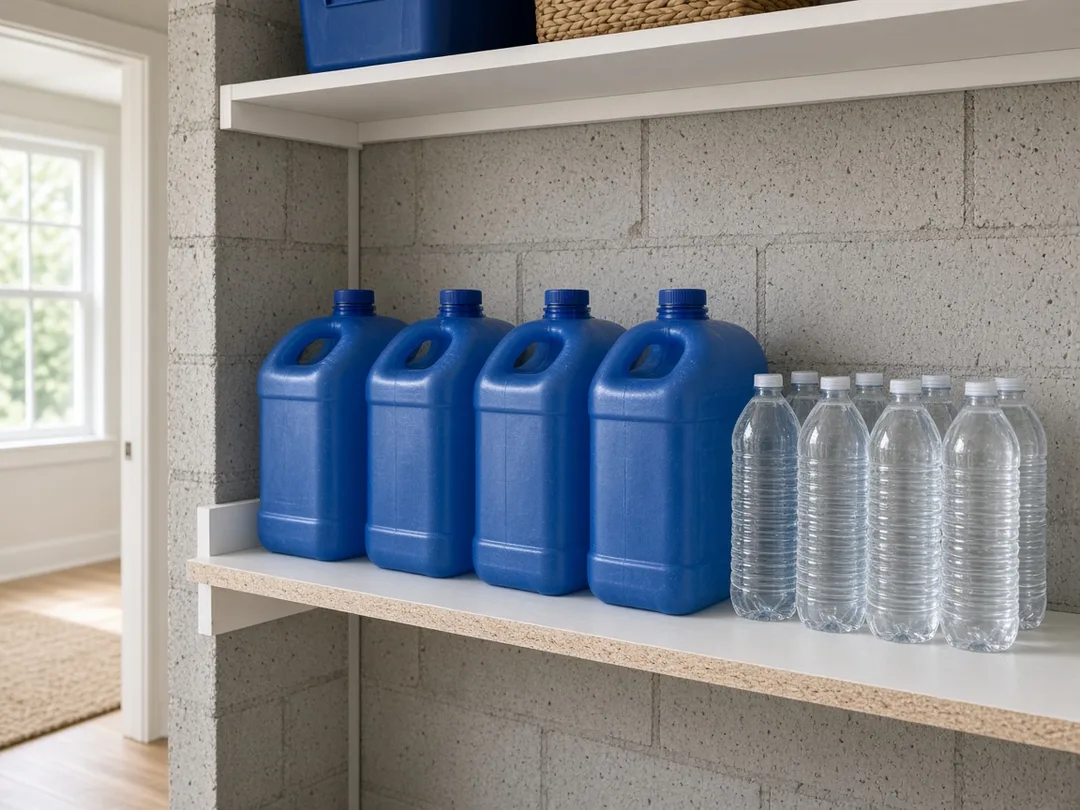
- 1. Drinking water. Drinking, cooking and basic washing.
How to use it: At least 1 gallon per person per day for several days (Ready.gov); the Red Cross suggests 2 weeks at home if you can. Sealed store-bought water is the easy start. If you fill your own containers, use food-grade ones, date them and refill every 6 months. One 5-gallon jug is about 5 days for one person. If you're ever told your tap water is unsafe, follow your local boil-water advisory; the treatment steps and bleach table are in the water-treatment item below. Sources: Ready.gov: Water, American Red Cross: Survival Kit Supplies.
Our pick: Digury 5-gallon water container with spigot (paid link) - 2. Food you already eat, plus a manual can opener. Several days of food with no cooking needed.
How to use it: Peanut butter, canned soup, beans, tuna, crackers, oatmeal, shelf-stable milk. Rotate it into normal meals. Include infant formula and special diets. Sources: Ready.gov: Build a Kit, Ready.gov: Food.
Our pick: Swing-A-Way manual can opener (paid link) - 3. Prescription medicines and a written medication list. Health comes first when pharmacies may be closed.
How to use it: Keep a written list of each medicine, its strength, dose and schedule, plus copies of prescriptions. Ask your pharmacist or provider about an early refill or emergency supply. Keep medicines in their original labeled containers, in a watertight box if flooding is possible, and follow each label's storage instructions. A pill organizer can help track scheduled doses by flashlight, but ask your pharmacist first: some medicines shouldn't leave their original packaging. Plan a cooler and ice for anything that needs refrigeration. Sources: FDA: Safe Drug Use After a Natural Disaster, American Red Cross: Survival Kit Supplies, VDEM: Emergency Kit.
Our pick: Sukuos AM/PM weekly pill organizer (paid link)
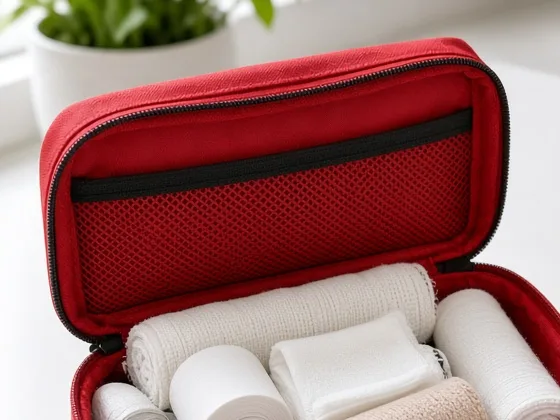
- 4. First aid kit. Cuts, burns and sprains when help may be slow.
How to use it: Learn what's in it before you need it. Check expiration dates each spring. Sources: American Red Cross: Survival Kit Supplies.
Our pick: First Aid Only 298-piece family first aid kit (paid link)

- 5. Flashlights or LED lanterns, one per person. Safe light. Use these, not candles.
How to use it: Keep one by each bed. Lanterns light a room. Store spare batteries outside the light and check them twice a year. Sources: Ready.gov: Power Outages, Red Cross: Power Outages.
Our pick: Etekcity LED camping lanterns, 4-pack, AA batteries included (paid link) - 6. Headlamp. Hands-free light for cooking, caregiving and checking the breaker box.
How to use it: Low mode lasts far longer than high; red mode keeps from waking the house. Sources: Ready.gov: Build a Kit.
Our pick: Black Diamond Spot 400 headlamp (paid link) - 7. Extra batteries. Keeps lights and the radio going.
How to use it: Match sizes to what you own (most of this list is AA). Write the purchase date on the box and rotate. Sources: Ready.gov: Build a Kit.
Our pick: Amazon Basics AA batteries, 48-pack (paid link)
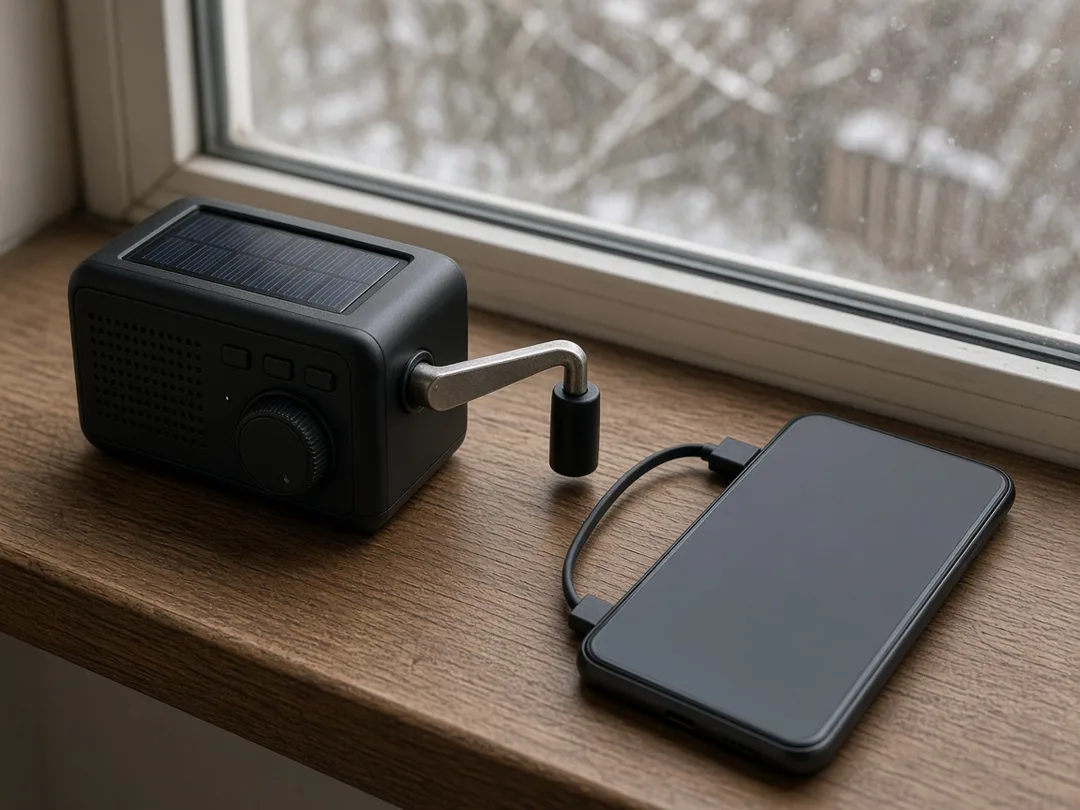
- 8. Battery or hand-crank NOAA weather radio. Official alerts when phones and power are down.
How to use it: Set it to your local NOAA Weather Radio station and turn on alert mode. A minute or two of cranking gives a short charge. Sources: NOAA Weather Radio, Ready.gov: Build a Kit.
Our pick: Midland ER310 emergency crank weather radio (paid link) - 9. Phone power bank. Keeps a phone on for calls, alerts and maps.
How to use it: Charge it now and every few months. Charge your phone when a storm is forecast and lower screen brightness to stretch it. Write key phone numbers on paper too. Sources: Ready.gov: Power Outages.
Our pick: Anker 20,000mAh power bank with built-in USB-C cable (paid link) - 10. Warm layers and blankets. In a winter outage, staying warm is a safety issue.
How to use it: One real blanket or sleeping bag per person, plus hats and layers. Close off unused rooms. Emergency blankets go in the car and go-bag. Sources: American Red Cross: Survival Kit Supplies, Ready.gov: Winter Weather.
Our pick: Swiss Safe emergency Mylar blankets, 4-pack + bonus (paid link)

- 11. Battery-powered carbon monoxide alarm. CO is odorless, and outages raise the risk when people run generators, grills or heaters.
How to use it: Put battery or battery-backup CO alarms on every level and outside sleeping areas, and test monthly (CPSC, CDC). Replace the alarm when its end-of-life warning sounds or by the date on its back; Kidde says its alarms last 7 to 10 years depending on the model, and an alarm in end-of-life mode no longer detects CO. If it sounds, get everyone outside and call 911. Sources: CPSC: Keep Warm and Safe This Winter (2026), CDC: Carbon Monoxide, Kidde: When to Replace a CO Alarm.
Our pick: Kidde battery CO alarm with digital display (paid link) - 12. Sanitation. Hygiene prevents illness when water is limited.
How to use it: Garbage bags and ties, moist towelettes, soap and hand sanitizer (Ready.gov). A 5-gallon bucket lined with heavy contractor bags works as a backup toilet; a snap-on seat and lid makes it easier to use (bucket sold separately). Sources: Ready.gov: Build a Kit.
Our pick: Reliance Luggable Loo seat and lid for a 5-gallon bucket (paid link) - 13. Hygiene and personal items. Staying clean is part of staying healthy.
How to use it: Feminine supplies, wipes, toothbrush and toothpaste, spare glasses or contact solution, and a few days of any daily-use items (Ready.gov). Sources: Ready.gov: Build a Kit.
Our pick: Wet Ones antibacterial hand wipes, 20 ct travel packs, 10-pack (paid link)
See the kit on my Amazon storefront (paid link)
Tier 2: Complete the kit
- 14. Documents. Insurance, IDs and medical info if you have to leave.
How to use it: Copies of IDs, insurance, prescriptions and a contact list in a waterproof bag (VDEM). Sources: VDEM: Emergency Kit, Ready.gov: Build a Kit.
Our pick: COLCASE fireproof and waterproof document bag (paid link) - 15. Cash in small bills. Card readers and ATMs go down with the power.
How to use it: Keep some small bills with your documents. Sources: Ready.gov: Build a Kit. - 16. Multipurpose (A-B-C) fire extinguisher. Small fires of ordinary materials, grease or oil, and electrical equipment.
How to use it: NFPA and the Red Cross recommend a multipurpose A-B-C extinguisher for the home: "A" covers wood, paper and fabric, which a kitchen-only B:C unit does not. USFA says pick the largest one you can handle comfortably and look for a UL listing. Mount it near an exit. Remember PASS: pull, aim low, squeeze, sweep. Use it only on a small fire that isn't spreading, with a clear way out; otherwise leave and call 911. A small kitchen B:C unit is an optional extra, not a replacement. Sources: NFPA: Fire Extinguishers, USFA: Choosing and Using Fire Extinguishers.
Our pick: First Alert HOME1 fire extinguisher (UL 1-A:10-B:C) (paid link) - 17. Fridge and freezer thermometers. Tells you what food is still safe.
How to use it: Keep the doors closed as much as possible. A closed fridge keeps food safe up to about 4 hours; a full freezer holds a safe temperature about 48 hours, or about 24 hours if it is half full and the door stays closed (USDA via FoodSafety.gov). Keep an appliance thermometer in each so you know the real temperature: the fridge should be 40°F or below and the freezer 0°F or below. Throw out perishable food that sat above 40°F for more than 2 hours, and never taste food to decide. When in doubt, throw it out. Sources: FoodSafety.gov (USDA): Food Safety During a Power Outage, Ready.gov: Power Outages.
Our pick: Fridge/freezer dial thermometers, 2-pack (paid link) - 18. Basic tools: wrench or pliers, duct tape, gloves, tarp. Small repairs, covering a broken window, shutting off water.
How to use it: Ready.gov lists a wrench or pliers to turn off utilities, plus plastic sheeting and duct tape. Learn where your water shutoff and breaker box are now. Leave gas shutoff to the gas company unless you smell gas. Sources: Ready.gov: Build a Kit.
Our pick: Gorilla Tough & Wide duct tape, 2.88 in x 25 yd (paid link) - 19. Paper road map. Navigation when phones and cell service fail.
How to use it: Mark two ways out of your area. VDOT offers a free Virginia map. Sources: Ready.gov: Build a Kit.
Our pick: Rand McNally 2027 Large Scale Road Atlas (paid link) - 20. Whistle. Signal for help.
How to use it: Clip one to each go-bag. Sources: Ready.gov: Build a Kit.
Our pick: Fox 40 Classic whistle, yellow (paid link) - 21. Two-way radios. Stay in touch nearby when cell service is down.
How to use it: FRS radios need no license. Pick a channel ahead of time and test the real range around your home; it's far less than the box says. Sources: Ready.gov: Build a Kit.
Our pick: Motorola Talkabout T470 two-way radios, 2-pack (paid link) - 22. N95 masks. Smoke, dust and mold during cleanup.
How to use it: Ready.gov's kit includes masks to filter contaminated air. A NIOSH-approved N95 should fit snugly; not sized for small children. Sources: Ready.gov: Build a Kit.
Our pick: 3M 8210 N95 particulate respirators, 20-pack (paid link) - 23. Draft-stoppers and weatherstripping. Holds heat in when the furnace is off.
How to use it: Weatherstrip doors and windows, insulate pipes, close off rooms you aren't using (Ready.gov). A rolled towel works in a pinch. Sources: Ready.gov: Winter Weather.
Our pick: Frost King DDS1 double draft stopper (paid link)
Tier 3: Depends on your household
- 24. Pet supplies. Pets depend on you.
How to use it: At least 3 days of food, water and medicine per pet, records, leash, carrier, bowls and a current photo (Ready.gov, Virginia Department of Health). VDEM suggests 1.5 gallons of water per pet. Sources: Ready.gov: Pets, Virginia Dept. of Health: Pet Preparedness.
Our pick: COMSUN collapsible silicone pet bowls, 2-pack (paid link) - 25. Infant and special-needs supplies. Babies, older relatives and anyone with medical needs can't wait out an outage the same way.
How to use it: Formula, bottles, diapers, wipes and diaper cream (Ready.gov), plus spare hearing-aid or mobility-device batteries. Keep a few days of anything a family member depends on. Sources: Ready.gov: Build a Kit. - 26. Power for medical equipment. CPAPs, oxygen concentrators, nebulizers and powered wheelchairs need a plan, not a guess.
How to use it: Talk to your provider and your power company before an outage (Ready.gov). Work out your device's actual watts and runtime before you count on any battery; the Power Outage Essentials guide shows how. Sources: Ready.gov: Power Outages. - 27. Car kit and a jump starter. Winter roads and stranded drivers. If you drive regularly in winter, move this up.
How to use it: Jumper cables or a jump starter, flashlight, blanket, water, snacks, ice scraper, first aid kit; keep the tank at least half full in winter (Ready.gov). Charge a lithium jump starter every few months. Sources: Ready.gov: Car Safety, Ready.gov: Winter Weather.
Our pick: NOCO Boost GB40 1000A lithium jump starter (paid link) - 28. Cooler and ice. Saves the most important cold food and refrigerated medicine.
How to use it: Keep fridge and freezer doors closed; if the outage runs long, move essentials to a cooler with ice (Ready.gov, FDA). Freeze water jugs now. Sources: Ready.gov: Power Outages, FDA: Safe Drug Use After a Natural Disaster.
Our pick: Igloo Trailmate 52 qt roller cooler (paid link) - 29. Backup water treatment. For when stored water runs out and you're told to treat tap water.
How to use it: Boiling is the best way to kill germs: a rolling boil for 1 minute (CDC, EPA). If you can't boil, use plain unscented bleach labeled for disinfection (see the table below) or tablets made for drinking water, following the label exactly. Backpacking filters such as the Sawyer remove bacteria and protozoa but not viruses, dissolved chemicals or salt, per Sawyer. No home method makes chemically contaminated water safe: boiling and disinfection don't remove heavy metals, salts, fuel or most chemicals (EPA, CDC). If floodwater or a spill may have reached your water, use bottled water and call your health department. Sources: EPA: Emergency Disinfection of Drinking Water, CDC: Making Water Safe in an Emergency, Sawyer FAQ.
Our pick: Aquatabs 49 mg water purification tablets, 100-pack (paid link)
| Water | 6% bleach | 8.25% bleach |
|---|---|---|
| 1 quart / liter | 2 drops | 2 drops |
| 1 gallon | 8 drops | 6 drops |
| 2 gallons | 16 drops (1/4 tsp) | 12 drops (1/8 tsp) |
| 4 gallons | 1/3 tsp | 1/4 tsp |
| 8 gallons | 2/3 tsp | 1/2 tsp |
- 30. Ice melt and a snow plan. Safe steps and a clear path out during an ice storm.
How to use it: Rock salt or safer ice melt and sand for traction (Ready.gov). Shovel first, then spread a thin layer. Sources: Ready.gov: Winter Weather.
Our pick: Safe Paw salt-free pet-safe ice melt, 22 lb (paid link)
Power, generators and backup heat
Longer outages raise bigger questions: battery power stations, generators, camp stoves and emergency heaters. Each comes with real costs and real carbon monoxide and fire risks, so they have their own guide: Power Outage Essentials.
Candles and oil lamps aren't on this list. Battery lights do the same job without an open flame. If you do light a candle, NFPA says keep it 12 inches from anything that can burn, never leave it unattended, and never use one near home oxygen. Sources: NFPA: Candle Safety, Red Cross: Power Outages.
Other options I checked (in stock Nov 3 unless noted)
- Warmth: Coleman Brazos 20°F sleeping bag (paid link)
- Warmth: HotHands hand warmers, 10 pairs (paid link)
- Kitchen extra (B:C, not a substitute for A-B-C): First Alert KITCHEN5 fire extinguisher (UL 5-B:C) (paid link)
- Tools: Leatherman Wingman multi-tool (paid link)
- Tools: Wells Lamont 1132 leather work gloves (paid link)
- Tools: Kotap 10 x 12 ft heavy-duty tarp (paid link)
- Water filter (bacteria/protozoa only; not viruses or chemicals): Sawyer Mini water filter (paid link)
- Water filter (bacteria/protozoa only): Sawyer Squeeze SP129 water filter (paid link)
- Water filter (see maker's limits; no Amazon offer on 11/3): LifeStraw Personal water filter (paid link)
- Water filter (see maker's limits): Katadyn BeFree 1.0L filter bottle (paid link)
- Water treatment drops: Aquamira chlorine dioxide water treatment, 2 oz (paid link)
- Shelf-stable meals (only 2 reviews, 2.9 stars on 11/3): XMRE 1000 Series MREs, 12 meals with heaters (paid link)
Make a simple plan
Write down phone numbers (phones die), pick an out-of-town contact, and sign up for local alerts through your county. Check your kit twice a year when the clocks change: batteries, water dates, medicines and the CO alarm test.
This is general preparedness information, not medical advice. Ask your pharmacist or provider about medicines and medical devices. Checked against official sources on November 3, 2026. Prices change; check the listing.
Shop Lisa's prints
See the full shop →Nature photographs for your walls — my shop.