November in the Valley is brown, gold, and a little bare, which makes it the best month for looking closely. The leaves are down, so you can see the seeds, the sticks, the moss, and the odd little things that hide the rest of the year.
This is a one-page hunt for a walk around the yard, a town park, or a trail you already know. Then you bring home a small handful of finds and test which ones sink and which ones float. That's it. No kit, no shopping list.
Key takeaway. Print the page, go for a 20-minute walk, check off what you find, and gather only what's already loose on the ground. Back home, guess before you drop each find in the water. The guessing is the fun part.
Quick answers
| Part | Ages | Time | You need |
|---|---|---|---|
| The walk and the checklist | 3 and up, with an adult reading | About 20 minutes | The printable and a pencil |
| Sink or float | 4 and up | About 15 minutes | A bowl or bucket of water and a towel |
| Draw your best find | All ages | As long as they like | Crayons you already have, or Crayola 24-count crayons (4 boxes) (paid link) |
The November list
Read these out as you walk. Younger kids can point, older kids can check the boxes and keep score.
- A stick shaped like a letter (Y is the easiest, an L is a win)
- A stick longer than your arm (leave it where it is)
- An acorn, with or without its cap
- A pinecone
- A seed that flies, like a maple "helicopter"
- A seed pod or a seed head that rattles
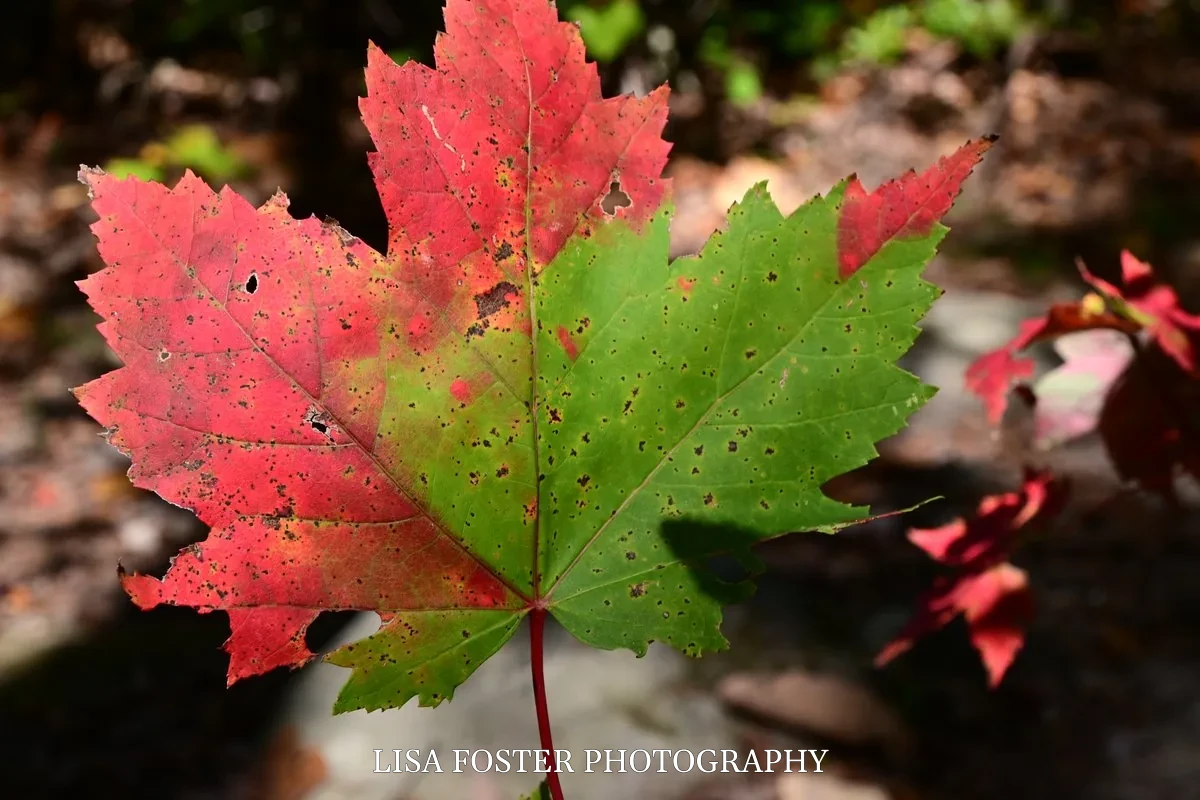
- A red leaf and a yellow leaf
- A leaf with a hole in it (someone had lunch)
- Moss, soft and green even in November (look, don't pick)
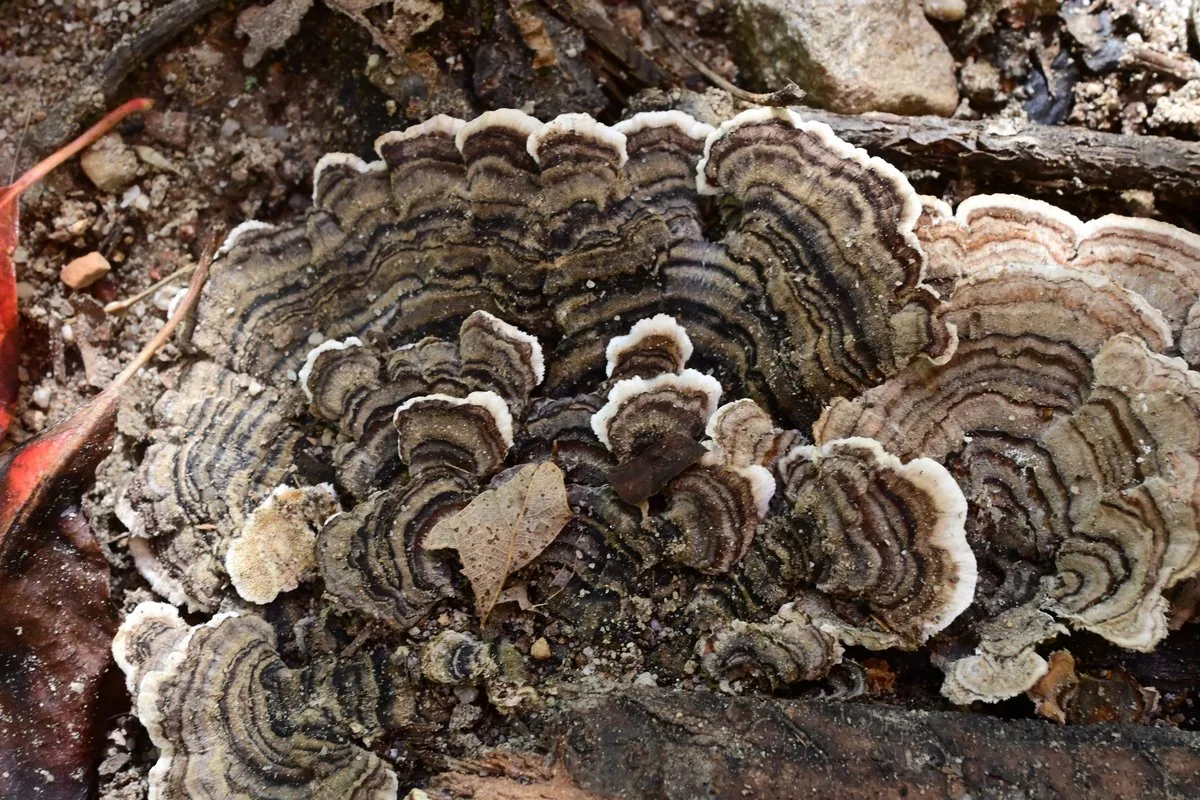
- A mushroom or a shelf fungus on a log (look only, never touch or taste)
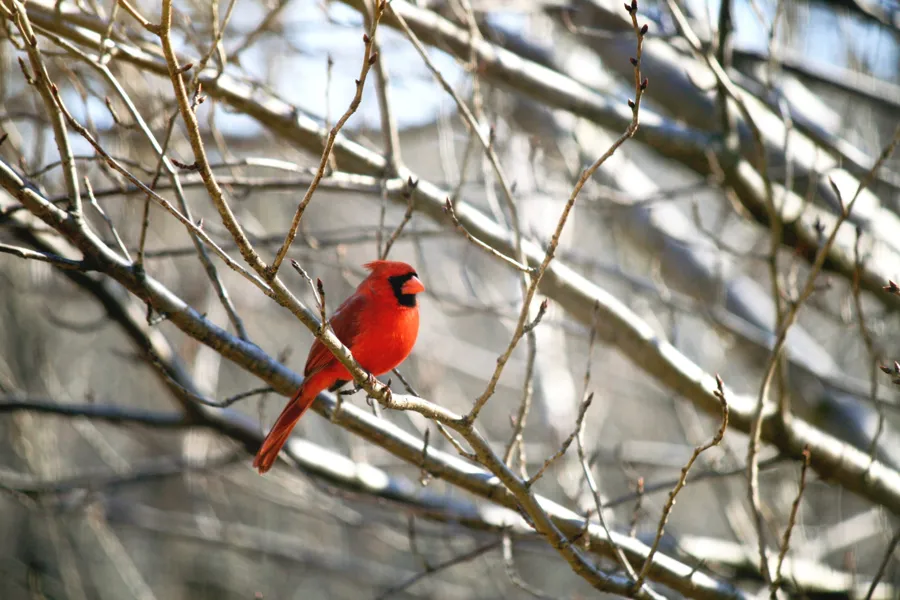
- A bird you can hear but can't see
- Something that made you say "whoa"
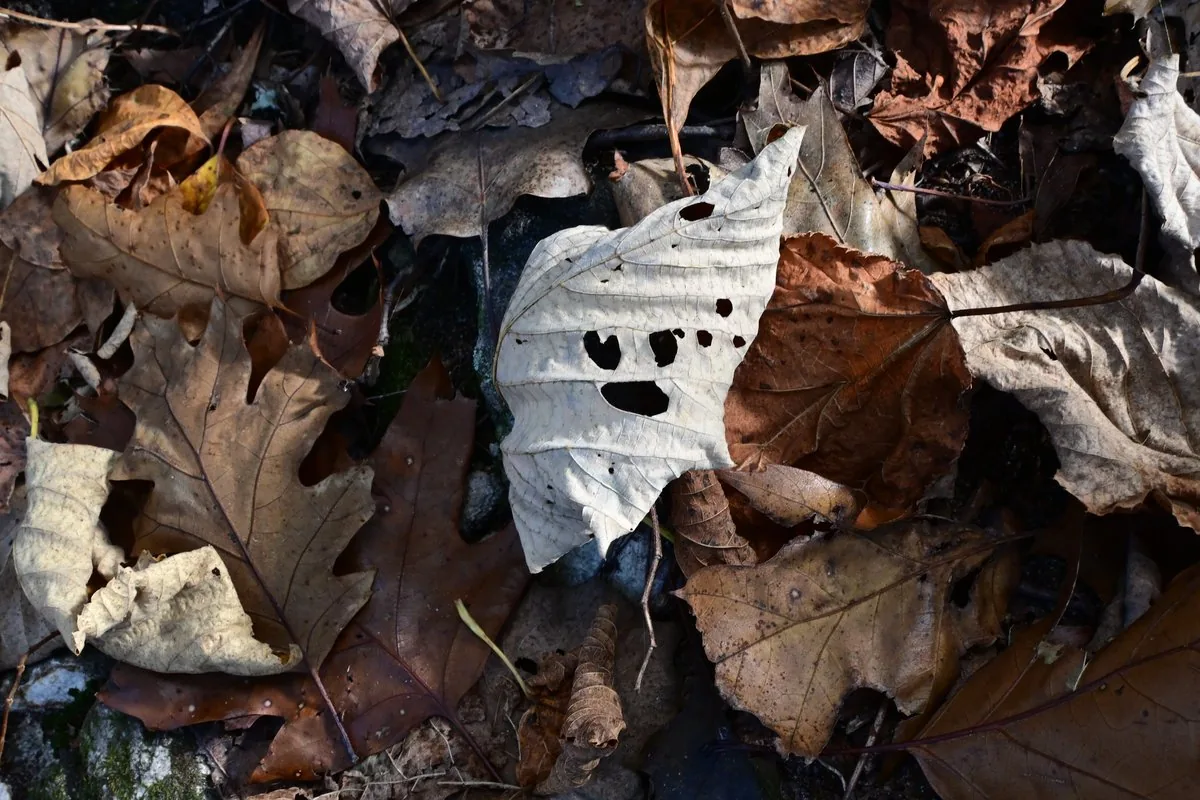
If a find is stuck to a plant, still growing, or alive, it stays. Sticks, acorns, cones, and dry seed pods that are already on the ground are fair game for the sink-or-float test, as long as you're somewhere that allows it. In state and national parks, leave everything where you found it and take a picture instead.
Sink or float at the kitchen table
Set a bowl or a small bucket of water on a towel. Line up five or six finds. Before each one goes in, everyone says "sink" or "float" out loud and marks the guess on the printable. Then drop it in.
- Predict. Is it heavy or light for its size? Is it dry or soggy?
- Test. Drop it in gently. Count to ten. Some things float at first and sink later.
- Talk about it. Did the big stick float and the small acorn sink? Why might that be?
There's no wrong answer, just a surprise. Most kids expect big things to sink. A fat, dry stick often floats while a tiny pebble drops straight down. Let them make up their own rule and test it again.
When you're done, the finds go back outside: drop them under a tree or in the leaf pile. Keep the water play at the table, not at a creek. Even a shallow stream is cold and fast in November.
Tillo's pick for November
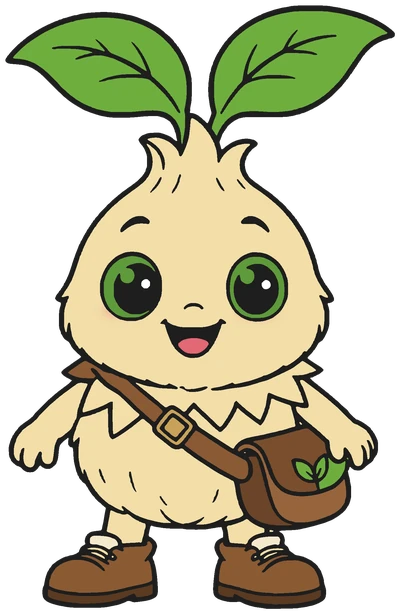
Tillo the Herb Explorer's challenge this month: find a shrub that is flowering after the leaves fall. Look for thin, crinkly yellow petals on bare twigs at the edge of the woods. That's American witch hazel. The JMU Arboretum in Harrisonburg lists its bloom time as October to mid-December, and the U.S. Forest Service notes the flowers are often the only color left in the woods.
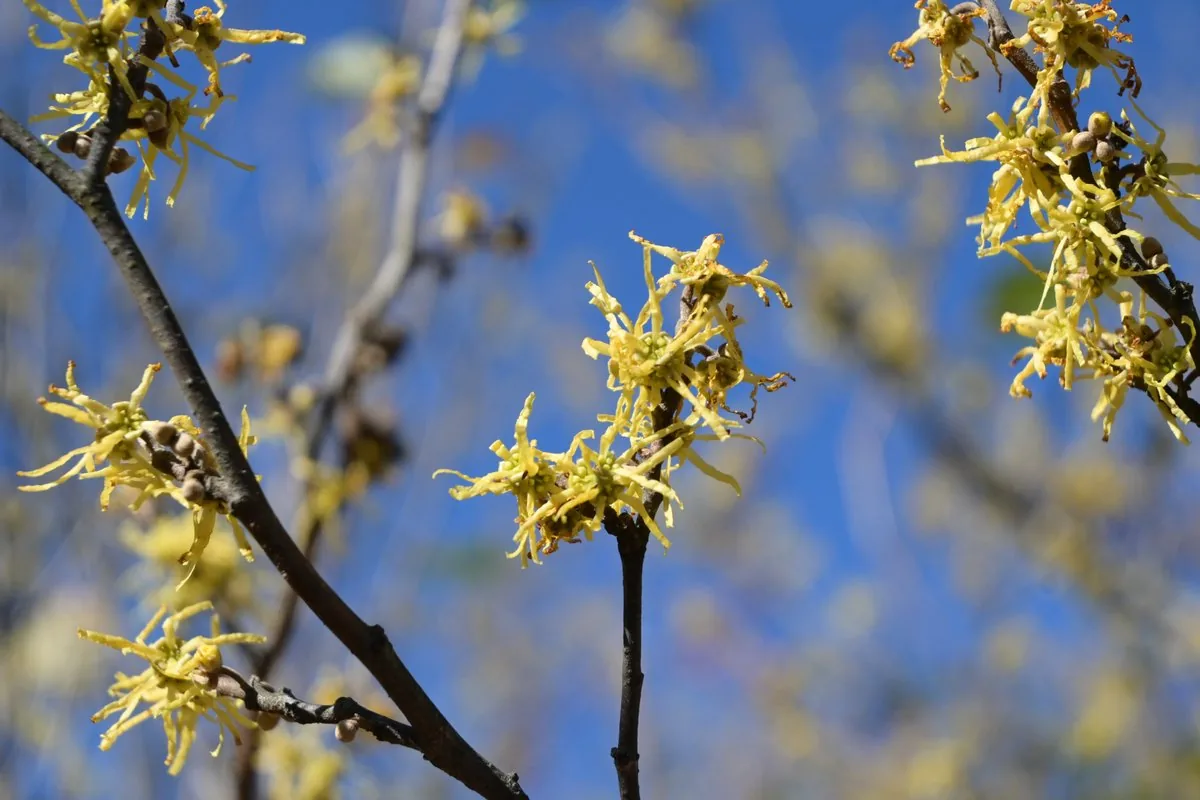
On a cold morning the petals curl up tight, and on a warmer afternoon they open again. If you find one, go back on a different day and see which way the petals are doing.
Safety before you head out
- A grown-up comes along. Stay together, and stay on paths and lawns.
- Nothing goes in mouths. No berries, seeds, mushrooms, or leaves, even ones that look like food.
- Leaves of three, let it be. The CDC says poison ivy leaves can turn red in fall, and touching the plant, or clothes and tools that brushed it, can cause a rash. Wash hands when you get home.
- Tick check. You can pick up ticks any time of year, according to the CDC. Walk in the middle of the trail, then check hair, ears, behind knees, and waistbands when you're back. The Virginia Department of Health has more for Virginia families.
- Leave nature where you found it. Take only loose finds where that's allowed, and bring them back outside after the test.
Get the printable
The November hunt is one page: the checklist, a sink-or-float chart with spaces for guesses, a box to draw the best find, and the safety rules in kid-sized words. Tillo the Herb Explorer is drawn in outline, so it doubles as a coloring page.
Download the November nature hunt (PDF)
It lives with the rest of the free pages on Tillo Printables, next to the Herb Patch coloring pages and garden bingo.
A new hunt comes out on the 1st of each month, matched to what's actually out there in the Shenandoah Valley that month. If you'd like the next one sent to you, the box below is how.
More of the making and the looking lives on Foster the Imagination. If the walk turns into a leaf pile, the fall leaf crafts post has five things to do with it.
What did your crew find that you didn't expect? I'd love to hear what floated.
Shop Lisa's prints
See the full shop →Nature photographs for your walls — my shop.